
The Resource Sanctuary
A reading room for the in-between moments.
Long-form writing on healing, relationships, and growth — like a premium print magazine, without the clutter.
Book Now

Self-Discipline, Self-Trust, and the Confidence to Grow
Self-discipline is not about being harder on yourself. Discover how small, realistic commitments can strengthen confidence and self-esteem, and how therapy can help you build habits with compassion.
By Candor & Hope Therapy Inc.


When the Body Remembers: Understanding the Quiet Language of Anxiety
Anxiety rarely arrives with a clear explanation. It shows up as a tight chest, a racing mind, a sudden urge to leave the room. Learning to read its signals is the first step toward befriending your nervous system.
By Marirhetta Crosby, IMFT-SIT, LPCC-S

What a Healthy Relationship Actually Looks Like
A healthy relationship isn't the absence of conflict — it's the presence of respect, repair, and shared meaning. Here's what decades of relationship research tell us about love that lasts.
By Candor & Hope Therapy Inc.


Holding the Loss of a Child: Miscarriage and Beyond
The loss of a child — through miscarriage, stillbirth, infancy, or later in life — is a grief that lives in the space where a future used to be. Here's how to hold this loss, find support, and carry the love forward.
By Candor & Hope Therapy Inc.


The Teen Brain and the Wisdom of Big Feelings
The big feelings of adolescence are not drama or overreaction — they are the product of a brain in the middle of a profound, necessary transformation. Here's what's happening, and how adults can actually help.
By Candor & Hope Therapy Inc.


Men and the Quiet Face of Depression
Depression in men rarely looks like sadness. It shows up as irritability, withdrawal, overwork, and numbness — and it is one of the most underrecognized health issues men face. Here's how to spot it and why going it alone is the dangerous option.
By Candor & Hope Therapy Inc.

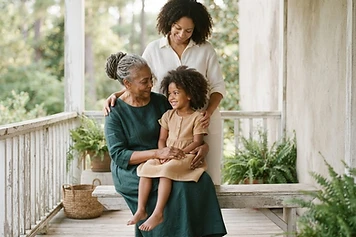
The Family Life Cycle: Growing Through Every Stage
Every family moves through stages — leaving home, coupling, raising children, launching them, and beyond. Understanding the family life cycle can dissolve self-blame and reveal the structural stress behind today's most common family struggles.
By Candor & Hope Therapy Inc.


The Art of Self-Reflection: Knowing the One Person You Can't Leave
Self-reflection is the practice of turning toward yourself with curiosity rather than judgment — and it is the foundation of nearly every other form of growth. Here's why it matters, how to build it, and why it cannot be done entirely alone.
By Candor & Hope Therapy Inc.

The Importance of Secure Love
Secure love isn't about never feeling uncertain — it's about knowing you can reach for your partner and be met. Attachment, in plain language.
By Candor & Hope Therapy Inc.


When a Relationship Ends: Grieving the Loss of Us
The end of a relationship — by breakup or divorce — is a real loss of a shared future and a shared identity. Here's how to grieve it honestly, process it healthily, and carry it forward without it defining you.
By Candor & Hope Therapy Inc.


When School, Work, and Family Collide at Once
Education, work, and family used to arrive in sequence. Today they collide in the same years — and the squeeze is real. Here's how to hold all three without losing yourself, your relationships, or your values.
By Candor & Hope Therapy Inc.


The Space Between: How Couples Repair After the Hard Moment
Every couple has the rupture. What separates thriving relationships from struggling ones isn't the absence of conflict — it's the willingness and skill to turn back toward each other afterward.
By Marirhetta Crosby, IMFT-SIT, LPCC-S


Solidarity: Why We Find Ourselves in Each Other
Self-discovery is often framed as a solo journey, but we actually come to know ourselves most fully in the company of others. Here's why solidarity is not the opposite of self-knowledge — it is one of its most reliable conditions.
By Candor & Hope Therapy Inc.


Men, Vulnerability, and the Strength of Being Known
Vulnerability is not the opposite of strength — it is one of its highest forms. Here's how the old story about men and feelings costs men the connection they want, and how to begin letting the real you into the room.
By Candor & Hope Therapy Inc.


Young Adulthood and the Pressure to Have It Figured Out
The pressure to have your life figured out by twenty-five is one of the most common sources of quiet suffering in young adulthood. Here's why almost no one actually has it figured out — and how to let your twenties be for trying, not for arriving.
By Candor & Hope Therapy Inc.


Anxiety in Teens and Young Adults: What's Normal, What's Not
Some anxiety in young people is normal and even useful — but when it starts running their life, it has crossed a line. Here's how to tell the difference, why today's baseline is genuinely higher, and what actually helps.
By Candor & Hope Therapy Inc.


Adjusting Your Boundaries When Life Changes
Every transition asks the same thing: to adjust your boundaries and your needs to fit the life you are in now. Here's how to renegotiate them so that growth, acceptance, and your deepest values can hold steady through change.
By Candor & Hope Therapy Inc.


Manners in Relationships: The Quiet Architecture of Care
Manners aren't trivial formalities. They're the small, daily rituals that say "you matter to me" — and they're the quiet architecture of trust.
By Candor & Hope Therapy Inc.


Becoming: On Self-Discovery and the Courage to Return to Yourself
Self-discovery isn't a single revelation. It's a lifelong practice of peeling back the layers of who you were told to be, and meeting who you actually are underneath.
By Marirhetta Crosby, IMFT-SIT, LPCC-S


Men and Anger: Hearing the Signal Underneath
Anger is the one emotion men are most allowed to have — and it is usually standing in front of something softer. Here's how to hear the signal underneath, widen the pause, and let anger teach rather than burn.
By Candor & Hope Therapy Inc.


The Healthy Benefits of Friendship
Friendships are not a luxury — they are a core pillar of emotional and physical health. Here's why close, mutual friendship is one of the most powerful forms of care we can cultivate.
By Candor & Hope Therapy Inc.

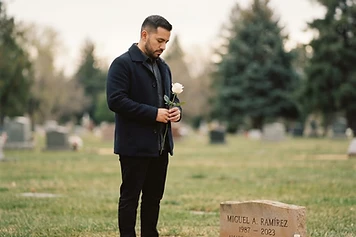
When Someone You Love Dies: A Companion for Grief
The death of a loved one is one of the most universal and most personal of human experiences. Here's a companion for the territory of grief — what to expect, how to carry it, and how to keep living alongside it.
By Candor & Hope Therapy Inc.


Healthy Maturation: Becoming More Yourself Across a Lifetime
Healthy development does not stop at twenty-five. Each stage of adult life has its own developmental task, and maturation across the lifespan is one of the most rewarding — and least understood — projects a person can tend.
By Candor & Hope Therapy Inc.

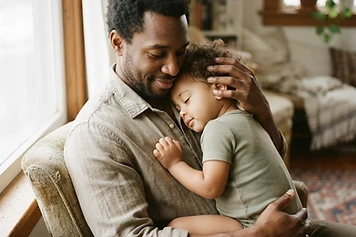
Fatherhood: The Long Work of Becoming a Dad
Fatherhood is one of the most profound transformations a man can undergo — and one of the least prepared-for. Here's a honest look at presence, the permission to feel, repair, and the long becoming of being a father.
By Candor & Hope Therapy Inc.

The Importance of Establishing Relationship Rules
Rules aren't restrictions — they're shared agreements that protect the relationship. Here's how to create them together, with care.
By Candor & Hope Therapy Inc.


Navigating Group Friendships
Group friendships are rich and complex — a web of relationships inside one. Here's how to belong without losing yourself, handle the shifting currents, and keep the group a safe place for everyone in it.
By Candor & Hope Therapy Inc.


Grieving a Dream That Didn't Come True
Not all grief is for a person. Some of the deepest loss is for a future that will not arrive — a dream, a goal, an achievement, a hoped-for child. Here's how to grieve the loss of what was going to be.
By Candor & Hope Therapy Inc.


Rethinking Your Career in Midlife (and Quarter-Life)
Career and life-direction transitions are some of the most common reasons people come to therapy today. Here's how to navigate the quarter-life and midlife versions with honesty, values, and the courage to grow.
By Candor & Hope Therapy Inc.


The Grief of Relocation: Losing Place, People, and Connection
Some losses are not marked by a death but by a move, a new job, or a slow fade of closeness. Here's how to grieve the loss of connection — the invisible, ongoing losses of relocation and change.
By Candor & Hope Therapy Inc.

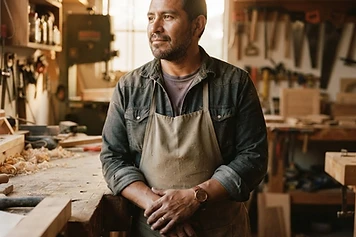
The True Meaning of Provision
The old story of provision — a man earns, therefore he provides — has become too small for the lives men actually live. Here's the wider meaning of provision, why the narrowed story costs men and families, and how to provide in the ways that last.
By Candor & Hope Therapy Inc.

Setting a Healthy Foundation in Your Relationship
A strong relationship is built intentionally, one choice at a time. Here's how to lay a foundation that can hold the weight of real life.
By Candor & Hope Therapy Inc.


Extended Family and Boundaries: Staying Close Without Losing Yourself
Extended family can be a deep source of love and a deep source of stress — often at the same time. Here's how to set boundaries that protect the relationship instead of ending it.
By Candor & Hope Therapy Inc.


The Empty Nest: Who Am I Now?
The empty nest is one of the largest and least-discussed transitions of adult life — a reorganization of identity, relationship, and daily routine. Here's how to grieve it, grow through it, and find the freedom it also holds.
By Candor & Hope Therapy Inc.


Who Am I, Really? Identity in the Age of the Feed
The identity crisis of the digital age is not a character flaw — it is a predictable response to an environment that constantly asks us to perform. Here's how to hear your own signal again underneath the noise.
By Candor & Hope Therapy Inc.

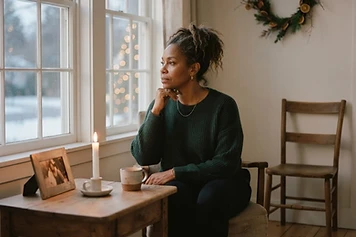
Grieving Through the Holidays
The holidays can turn grief into a season of acute absence — the empty chair, the unchanged tradition, the weight of celebration around a private loss. Here's how to navigate the festive season while grieving.
By Candor & Hope Therapy Inc.


Boundaries in Blended Families
Blended families are built, not born. Here's how to create the structure, roles, and boundaries that help a new family feel like one — without forcing it.
By Candor & Hope Therapy Inc.


Recovering from People-Pleasing: Coming Back to Yourself
People-pleasing is not a personality trait; it is a survival strategy that can keep you lost as an adult. Here's how to recover your real self — your preferences, your no, your anger — without becoming cold.
By Candor & Hope Therapy Inc.

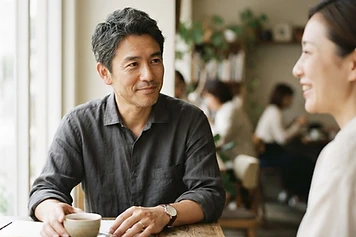
Assertive Communication: Naming Your Needs and Advocating for What Matters
Many men carry real needs and have no language for them. Assertive communication is the skill that changes that — clear, direct, respectful naming of what you need and what you stand for. Here's how it works and how to build it.
By Candor & Hope Therapy Inc.


Dating With Children When Your Partner Doesn't Have Them
When one partner has children and the other does not, the relationship holds a particular asymmetry. Here's how to date with honesty, protect the children, and build a partnership that can hold all of you.
By Candor & Hope Therapy Inc.


Anticipatory Grief: Mourning Before the Loss
Grief does not always wait for a death. Anticipatory grief begins in the slow knowledge that someone you love is dying — a real, exhausting, often invisible form of loss. Here's how to hold it.
By Candor & Hope Therapy Inc.


Losing a Parent: The Loss of Your First Home
Losing a parent is one of the most common and most complex of adult losses — the loss of one's first home, one's origin. Here's how to grieve a mother or a father, even when the relationship was complicated.
By Candor & Hope Therapy Inc.